
Termite Control
Salt air, fog and older wood in cottages and townhomes.
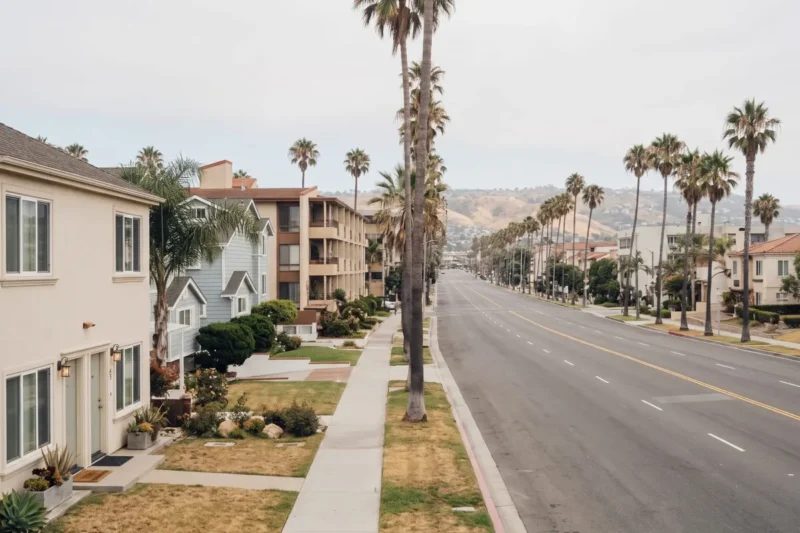
Redondo Beach is one of the South Bay’s Beach Cities, with older cottages and tightly packed townhomes in North Redondo and condos and apartments near the harbor and pier. Fog and salt air are part of daily life here — and of how pest problems develop.
Damp mornings keep decks, fences, trim and crawlspaces wetter than inland. Combined with older wood in cottages and townhomes, that makes termite and wood inspections one of the most common requests near the beach. Good drainage and ventilation matter as much as treatment.
Shared walls and attached garages mean bed bugs, ants and roaches can travel between homes. In HOA buildings, it helps to involve the association so common areas and neighbors are included.
Near the beach, wood takes a beating from salt air, fog and sun, so not every soft or cracked board is termites. An inspection separates:
Each needs a different fix, and fungus damage is usually a repair and moisture issue rather than a pest treatment.
In condo and townhome complexes, the HOA is often responsible for exterior and common areas, while owners handle the inside of their unit. Before booking, check your CC&Rs or ask the management company who covers what, especially for termites in shared walls, roofs and decks. For bed bugs and cockroaches, let the manager know so neighboring units can be checked.
For public mosquito concerns, check which vector control district serves your address — South Bay cities are covered by the Los Angeles County West Vector Control District or the Greater Los Angeles County Vector Control District.
We take requests from these Redondo Beach ZIP codes. ZIP codes can cross city lines; availability is confirmed for each address.
Salt air, fog and older wood in cottages and townhomes.
Ant trails through attached homes and planters.
Condos and apartments near the harbor.
Webs on balconies, garages and fences.
Yes, from across Redondo Beach. Availability is confirmed for each address.
No. Moisture, fungus and age cause damage too. An inspection separates active termites from other wood problems.
It depends on your HOA's CC&Rs. Exterior wood, roofs and common walls are often the association's responsibility; the inside of your unit is usually yours. Ask your management company.
It's a moisture problem. It often shows up in termite inspection reports, but the fix is usually repairing the wood and stopping the water source.
Give us a call — we'll arrange an inspection and explain your options before any treatment.