
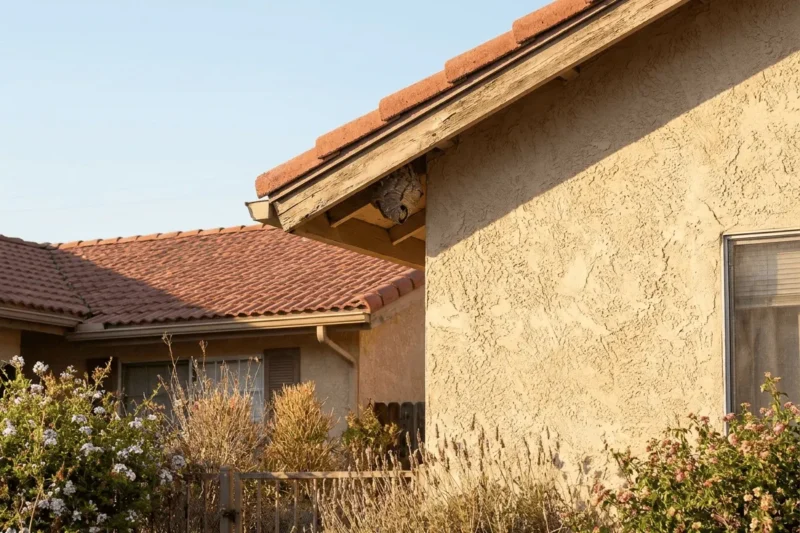
Recurring Pest Control
Monthly, every-other-month or quarterly visits that keep ants, spiders, roaches and other everyday pests from coming back.
Earwigs are one of the most common “what is that?” insects in Los Angeles homes. They live in damp places outdoors — mulch, ivy, ground cover, under pots and boards — and wander inside through gaps under doors, especially when the weather turns hot and dry. They look alarming but are not dangerous, and control is mostly about moisture and hiding places next to the house.
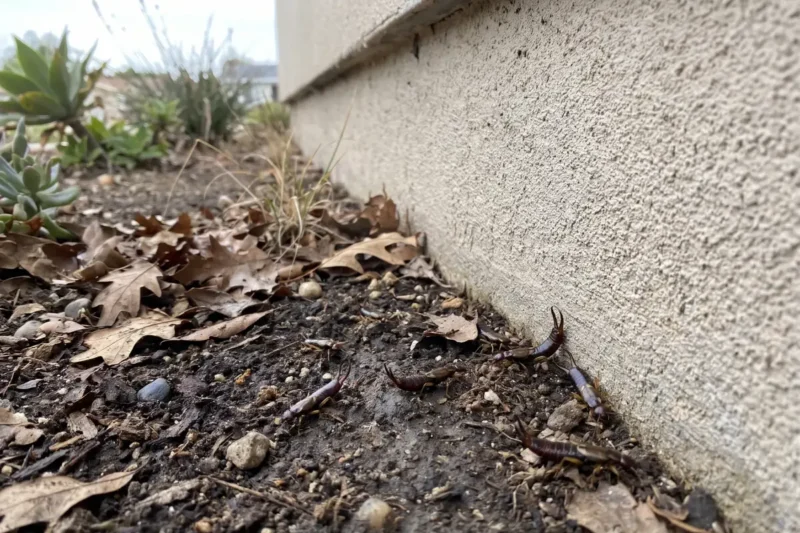
The pincers are used for defense and can give a light pinch if an earwig is handled, but earwigs don’t sting, carry venom or damage the house. The old story about earwigs crawling into ears is a myth.
Earwigs found indoors usually came in from outside; they rarely set up a lasting population inside a dry house. That’s why the fix is mostly outdoors.
Earwigs eat decaying plant matter and other small insects such as aphids, but they also chew seedlings, soft leaves, flowers and ripe soft fruit. Ragged holes in young plants or petals that appear overnight are a common sign. In many gardens a moderate number does little harm; heavy numbers near vegetable beds or flower borders are worth reducing.
For garden-safe trapping ideas, see the earwig guidance from UC Statewide IPM.
No. They don't sting or carry venom, and they don't damage wood or the structure of the house. A large earwig can pinch if picked up, but that's about it.
Bathrooms are the dampest rooms in the house. Earwigs usually get in under doors or through gaps near the slab and end up where it's cool and moist. Fixing outdoor moisture and sealing entry points is more effective than treating the bathroom itself.
It reduces them, but if the yard keeps providing damp hiding places, earwigs come back. The lasting fix combines treatment with drier soil, less mulch and ground cover by the walls, and better door seals.
Rarely. They need damp soil to nest. A steady stream of earwigs indoors almost always points to a large population right outside.
Monthly, every-other-month or quarterly visits that keep ants, spiders, roaches and other everyday pests from coming back.
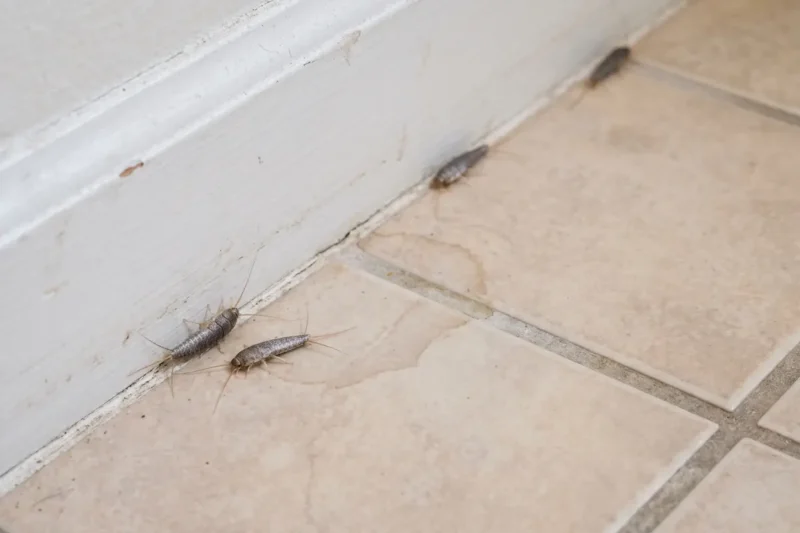
Silverfish in bathrooms, closets, books or stored boxes: finding the damp areas they depend on and treating where they hide.
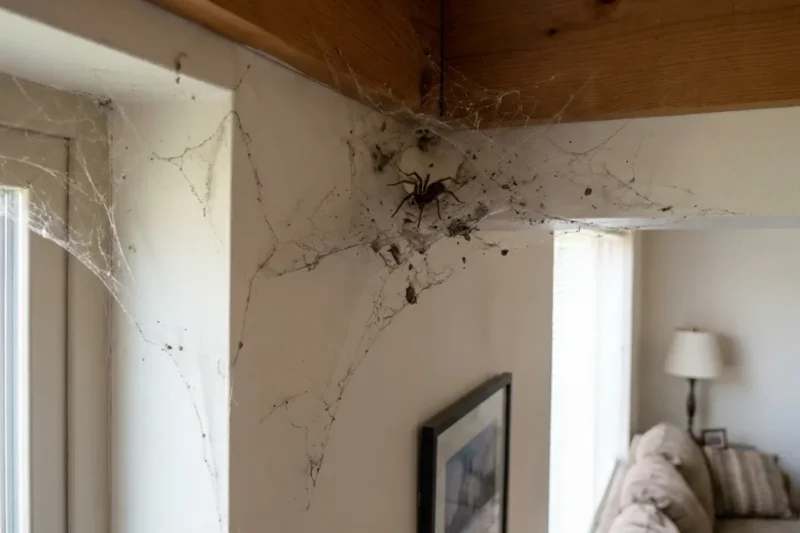
Web removal, treatment of harborage areas and fewer insects for spiders to feed on — usually part of recurring pest service.
We accept requests from the City of Los Angeles and nearby Los Angeles County cities. Availability is confirmed for each address.
Give us a call — we'll arrange an inspection and explain your options before any treatment.