
Recurring Pest Control
Monthly, every-other-month or quarterly visits that keep ants, spiders, roaches and other everyday pests from coming back.
Not sure what you need? Start with what you’re seeing. Every service begins with an inspection, because the right treatment depends on the pest, the property and how it got in.
Signs are a starting point, not a diagnosis — similar evidence can come from different pests.
| What you’re seeing | Where to start |
|---|---|
| Small hard pellets on windowsills, attic floors or under furniture; discarded wings | Termite Control |
| Mud tubes on the foundation, in the crawlspace or along slab edges | Termite Control |
| Itchy bites after sleeping; dark spots or tiny shells along mattress seams | Bed Bug Treatment |
| Lines of small ants in the kitchen or bathroom, especially after hot weather | Ant Control |
| Small brown roaches at night around the sink, stove or dishwasher | Cockroach Control |
| A large roach now and then near drains, the garage or the yard | Cockroach Control |
| Heavy webs on eaves and in the garage; black widows in storage areas | Spider Control |
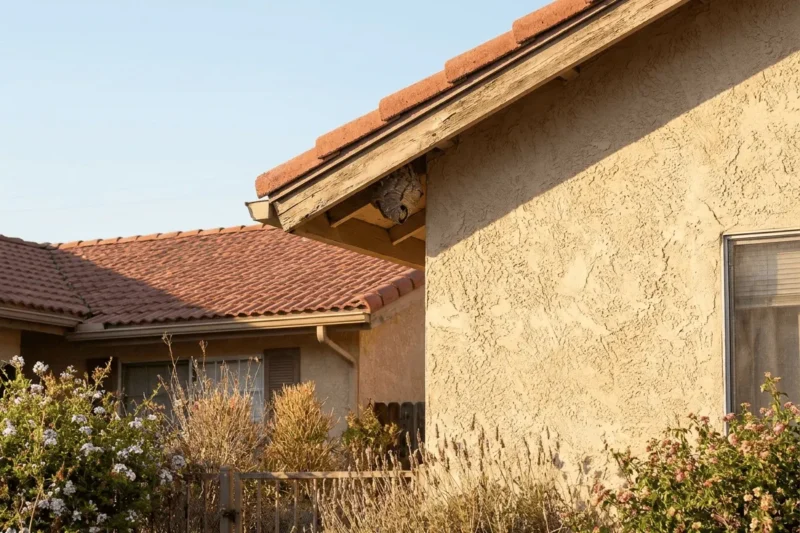
| A paper nest under the eaves, or yellowjackets going in and out of the ground or a wall | Wasp & Yellowjacket Control |
| Being bitten in the backyard during the day | Mosquito Control |
| Brown insects with pincers under pots, in mulch or in the bathroom | Earwig Control |
| Silvery, fast-moving insects in the bathtub, closets or stored boxes; holes in paper | Silverfish Control |
| Several kinds of insects, or the same pests returning every season | Recurring Pest Control |
| Bees clustered on a branch, or flying steadily in and out of a wall | Usually a beekeeper or bee removal specialist — see the honey bee section of Wasp & Yellowjacket Control |
Monthly, every-other-month or quarterly visits that keep ants, spiders, roaches and other everyday pests from coming back.
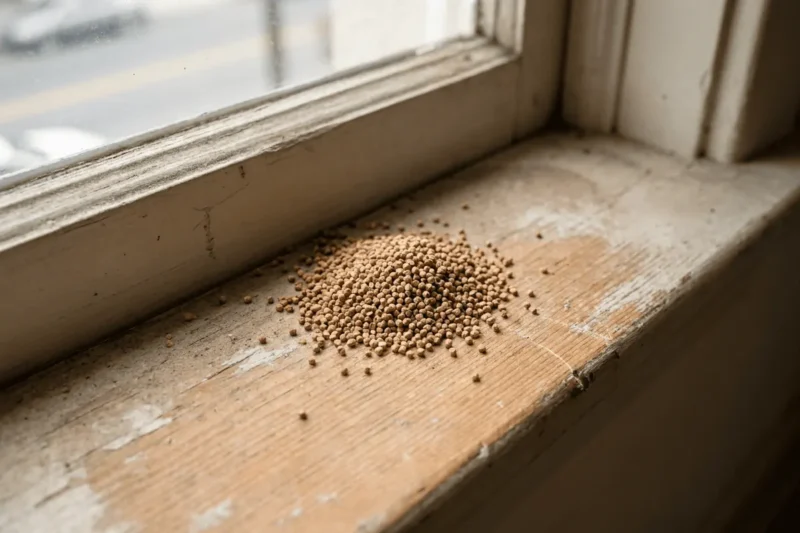
Inspection-led termite treatment for drywood and subterranean termites, from localized work to whole-structure options.
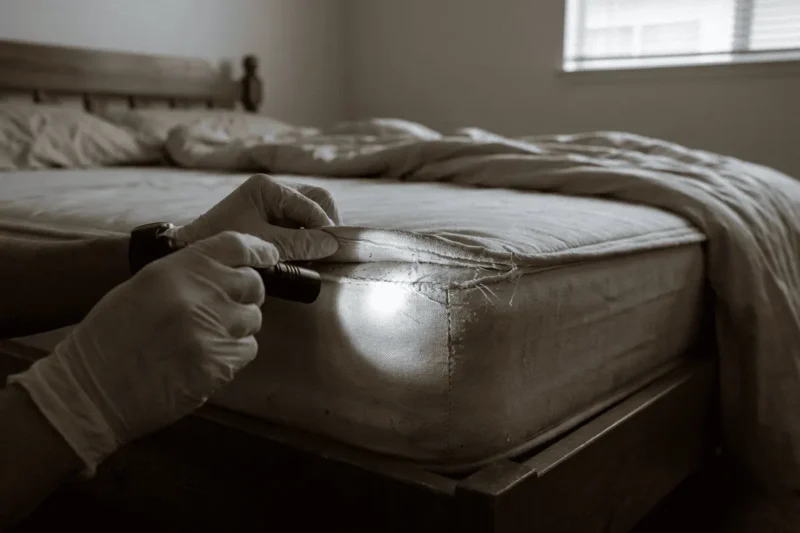
Inspection to confirm bed bugs, a treatment plan for your home or unit, and follow-up visits to check results.
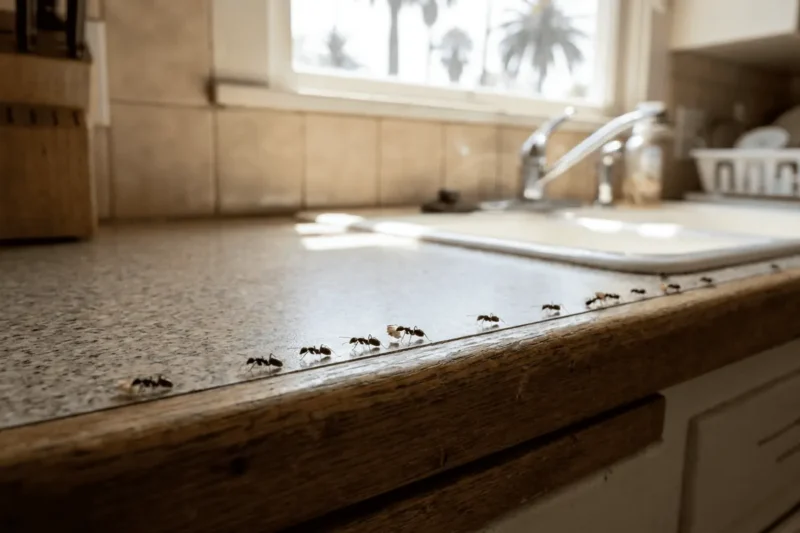
Identify the ant, find where the trail starts, and treat the colony — not just the ants you can see.
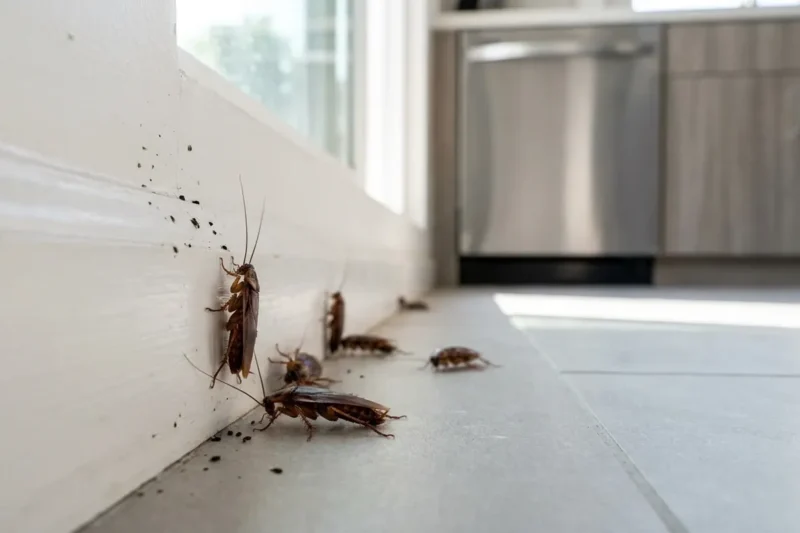
Species identification, inspection of kitchens, plumbing and voids, and targeted treatment with sanitation and sealing.
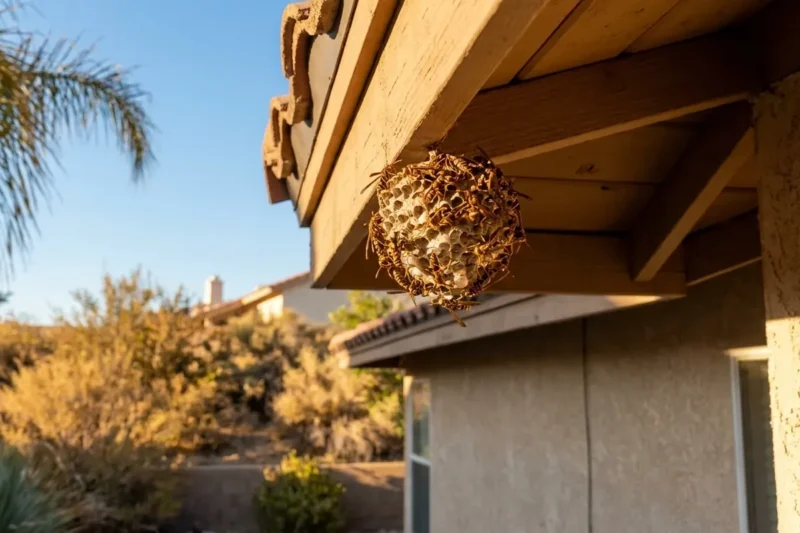
Assessment and removal of paper wasp and yellowjacket nests — and guidance when it turns out to be honey bees.
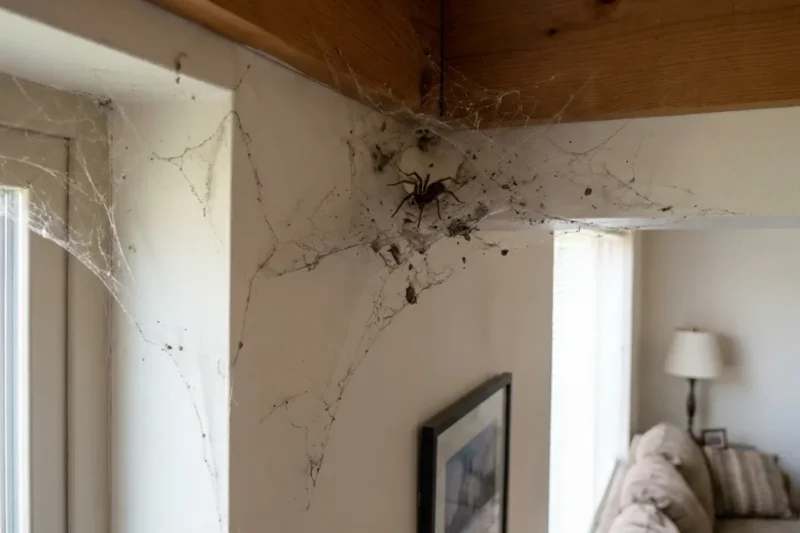
Web removal, treatment of harborage areas and fewer insects for spiders to feed on — usually part of recurring pest service.
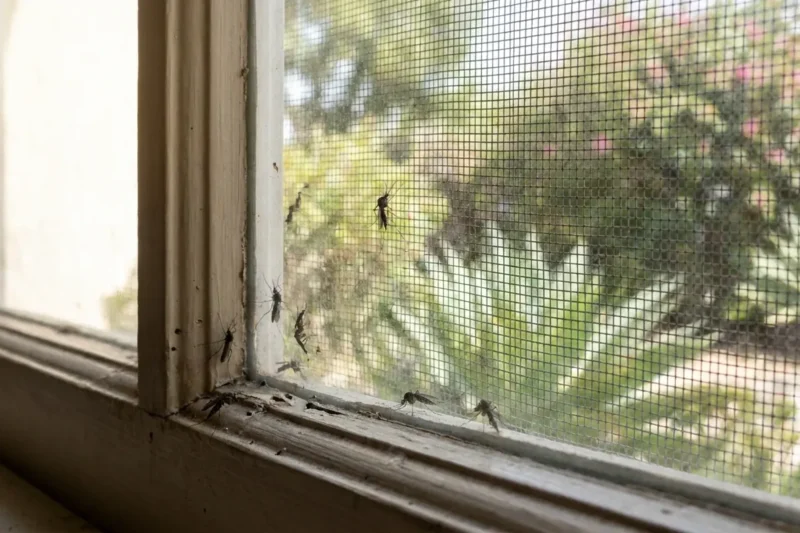
Private-property mosquito reduction: finding breeding sites, reducing standing water and targeted yard treatment.
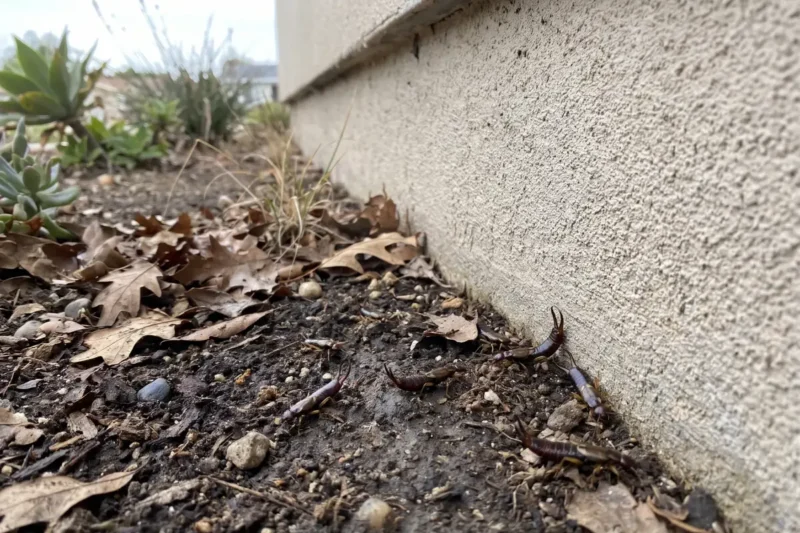
Earwigs in the house, the bathroom or under pots: finding the damp hiding spots, treating the perimeter and keeping them outside.
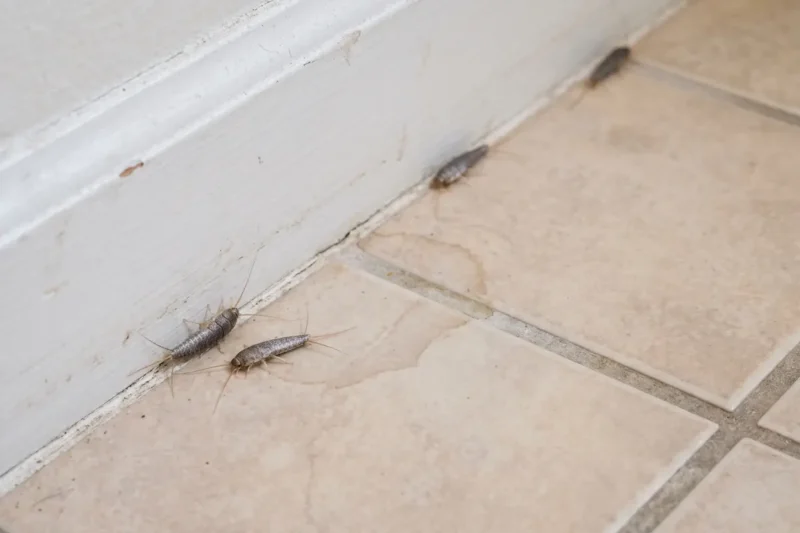
Silverfish in bathrooms, closets, books or stored boxes: finding the damp areas they depend on and treating where they hide.
Best for a specific, recent problem — an ant invasion after a heat wave, a single wasp nest, a few roaches that came in from outside.
Best when pests keep coming back — homes next to hillsides or canyons, heavy landscaping, older buildings. Usually monthly, every other month or quarterly.
Termite and bed bug work follows its own plan — an inspection report, then treatment and any follow-up visits for that specific problem.
Pest control isn’t priced by the pest alone. Ask for a written estimate that lists what’s included, and compare like with like.
No. Just describe what you're seeing when we talk. Identification is part of the inspection.
Often, yes — ants, roaches and spiders are commonly handled together, either in one visit or on a recurring schedule. Termites and bed bugs need their own inspection and plan.
A rough idea is sometimes possible from a description, but an accurate price depends on what the inspection finds. You'll get the price before any work begins.
It depends on the product and how it's applied. The provider gives you written notice of the products and instructions based on the label — mention children, pets and health concerns when you request service.
This site doesn’t arrange commercial pest control programs, rodent control, wildlife trapping (raccoons, opossums, coyotes), bird control, dead-animal removal, attic restoration, mold remediation or general construction. Live honey bee relocation is best handled by a beekeeper or bee removal specialist. For public mosquito issues, contact your local vector control district — see mosquito control for links.
Give us a call — we'll arrange an inspection and explain your options before any treatment.