
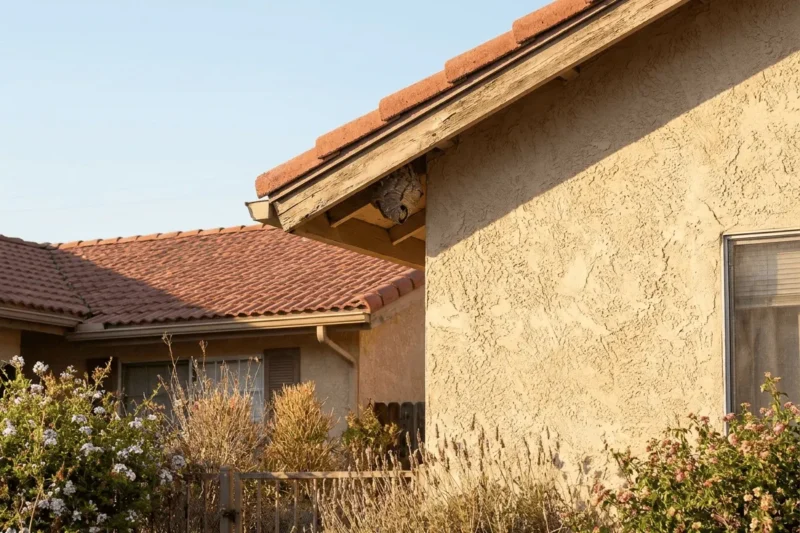
Recurring Pest Control
Monthly, every-other-month or quarterly visits that keep ants, spiders, roaches and other everyday pests from coming back.
Southern California has two very different termite problems: drywood termites that live inside the wood itself, and subterranean termites that travel up from the soil. The right response depends on which one you have, where it is, and how far it has spread — which is why every termite job starts with an inspection.
Both kinds of termite are common across the Los Angeles basin, the valleys and the foothills. They live differently, leave different evidence and are treated differently.
| Feature | Drywood termites | Subterranean termites |
|---|---|---|
| Where they live | Inside dry wood — attic framing, eaves, window and door frames, furniture. No soil contact needed. | In the soil, traveling into wood through foundations, slab cracks and wood that touches the ground. |
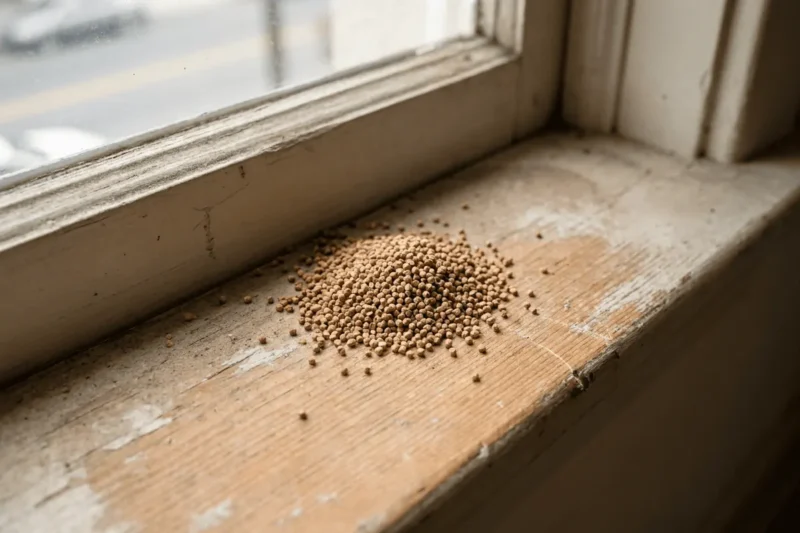
| Common evidence | Small, hard, six-sided fecal pellets that collect in piles beneath “kick-out” holes; discarded wings after a swarm. | Pencil-width mud tubes on foundations, piers or walls; soft, layered damage that follows the grain; swarms near the ground. |
| Typical approach | Localized treatment of accessible infested wood, or whole-structure treatment when activity is widespread or hidden. | Soil treatment or a baiting program around the structure, plus correcting moisture and wood-to-soil contact. |
A third group, dampwood termites, needs very wet wood and is usually a sign of a leak or drainage problem. Correcting the moisture is part of the fix.
None of these signs is proof on its own. Ant debris, carpenter bee activity, wood-boring beetles and old, inactive damage can all look similar. A trained inspector can tell the difference.
A wood-destroying organism inspection is a visual check of the accessible areas of the structure. The inspector typically looks at:
In California, the inspecting company documents what it found and what it recommends. For real-estate transactions, inspection reports are often requested by escrow; ask the provider what type of report you’ll receive and how long it takes.
Ask for findings in writing. A clear report should separate active infestation, evidence of past activity, conditions that may lead to future problems, and any areas that couldn’t be inspected.
When drywood activity is limited and the infested wood can be reached, a technician can treat those specific areas — for example by drilling and injecting the affected boards or applying a product to exposed wood surfaces. This is Branch 3 work under California’s Structural Pest Control Board. It avoids vacating the home, but it only addresses the areas that are found and accessible.
Options generally include a liquid treatment to the soil along the foundation, or a baiting system installed around the structure and monitored over time. The choice depends on construction (slab, raised foundation), access, landscaping and how active the colony is.
For widespread or hidden drywood infestations, the whole structure may be covered and fumigated with a gas that reaches wood throughout the building. Fumigation is a separate license category (Branch 1). It involves vacating the property, removing or protecting food and medicines, notifying occupants in advance as state law requires, and following the fumigant label and county procedures.
Not every termite company performs fumigation. If an inspection suggests that whole-structure treatment is appropriate, ask whether the company holds Branch 1 registration or would subcontract to a fumigation company, and who is responsible for preparation and notices.
Treatment stops the termites; it doesn’t replace damaged wood. Inspection reports commonly list repairs separately. Ask who will perform repairs, whether they’re included in the estimate and whether permits might be needed.
California licenses structural pest control in three branches. For termites, two are relevant:
Before you sign, you can check a company’s registration and branches through the Structural Pest Control Board. Our process page explains how.
Many LA neighborhoods are full of homes built before the 1960s — Craftsman bungalows, Spanish Revival houses, post-war ranch homes — with original wood framing, raised foundations and decades of exposure. Common local pressure points include:
The mild climate means termites are active through much of the year, so evidence can appear in any season.
No. Tenting is one option, usually considered when drywood activity is widespread or hidden in areas that can't be reached. Many infestations are handled with localized treatment, and subterranean termites are treated with soil or bait methods instead. The inspection findings should drive the recommendation.
Drywood termite pellets are hard, tiny and roughly six-sided, and they tend to pile up below small holes. Other insects and debris can look similar, so it's worth having them checked. Avoid vacuuming everything up before the inspection — the location of the piles helps the inspector.
It can be when activity is limited and the infested wood is accessible. Its limitation is that it only treats what is found. Ask the inspector to explain what areas couldn't be inspected and how that affects the recommendation.
Termite inspections for real-estate transactions are common in California. When you request service, mention the escrow timeline so the provider can tell you whether they can meet it and what kind of report they issue.
Treatment and repairs are separate. Inspection reports often list wood repairs as their own items. Ask who performs repairs and whether they're part of the estimate.
Monthly, every-other-month or quarterly visits that keep ants, spiders, roaches and other everyday pests from coming back.
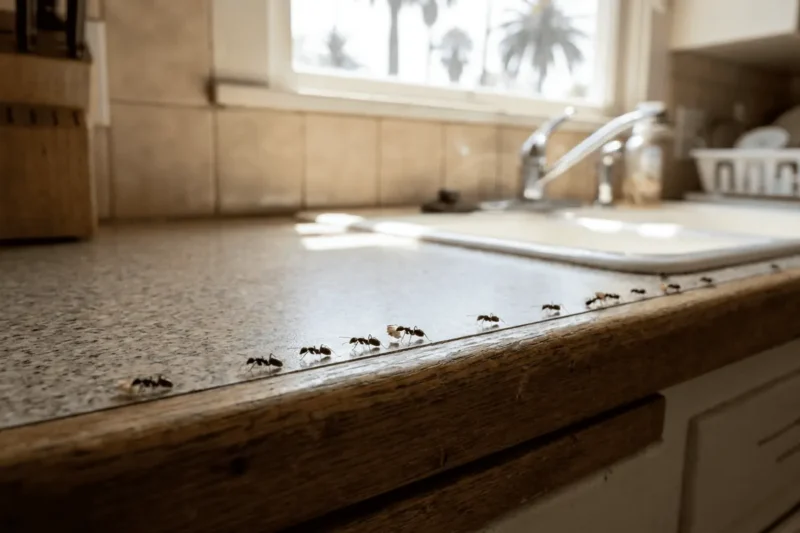
Identify the ant, find where the trail starts, and treat the colony — not just the ants you can see.
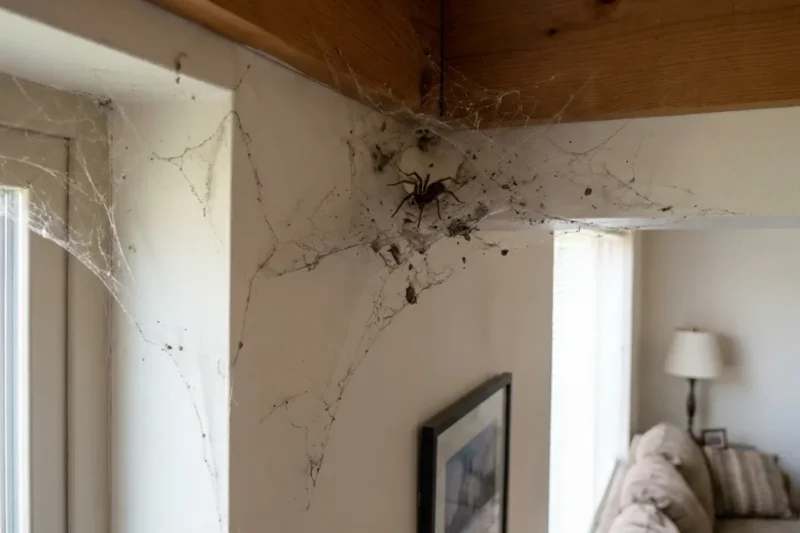
Web removal, treatment of harborage areas and fewer insects for spiders to feed on — usually part of recurring pest service.
We accept requests from the City of Los Angeles and nearby Los Angeles County cities. Availability is confirmed for each address.
Tell us about the property and what you've noticed. A provider will contact you to schedule an inspection and explain the findings before recommending treatment.