
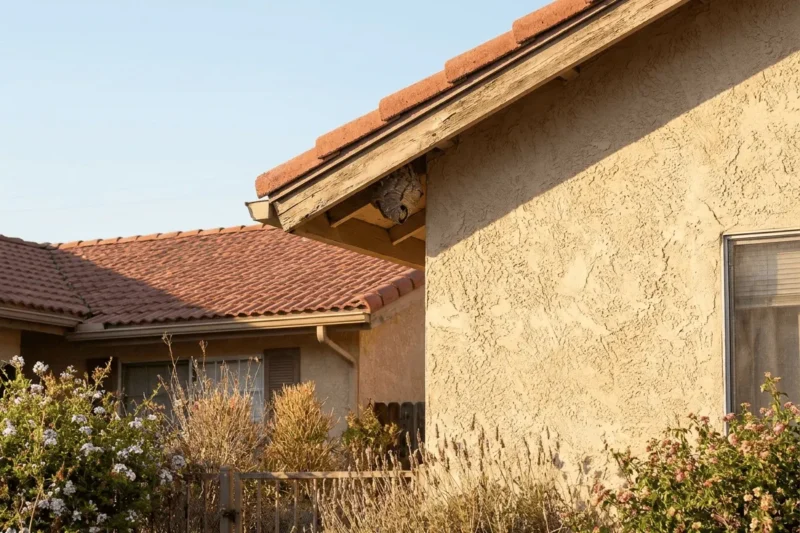
Recurring Pest Control
Monthly, every-other-month or quarterly visits that keep ants, spiders, roaches and other everyday pests from coming back.
Ants are one of the most common reasons Angelenos call for pest control. Spraying the trail you can see rarely solves it — the colony is usually outside, often in moist soil near the foundation. Effective ant control identifies the species, follows the trail to its source and treats it in a way the ants carry back to the nest.
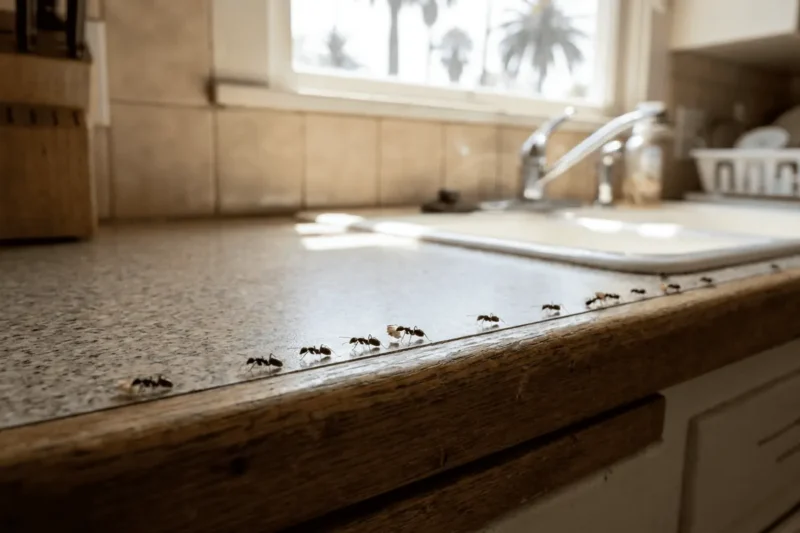
In much of urban Southern California the most common indoor ant is the Argentine ant — small, brown and traveling in long, busy trails. University of California researchers have noted that these ants often move indoors looking for water as hot, dry weather dries out their outdoor nests. Heat waves and the end of the irrigation season are classic triggers.
Other ants you may see include odorous house ants, pavement ants, and occasionally carpenter ants in damp or damaged wood. Each behaves differently, which is why identification matters.
Before treatment, try not to spray trails with household cleaners or insecticide — it can scatter the ants and make the source harder to find.
You may see more ants for a short time after baiting — they’re carrying the product back. Your provider should tell you what to expect.
Argentine ant colonies can be very large and connected across a whole property. In multi-unit buildings, treating one unit may only push ants to the next. Where activity is widespread, the better approach is usually to treat the building exterior and common areas and coordinate with owners or HOA management.
With baits, foraging ants pick up the product and carry it back to the nest, so activity can briefly increase. If it continues beyond the timeframe your provider gave you, let them know.
In Southern California, hot and dry weather often pushes ants indoors in search of water. Reducing indoor moisture and sealing entry points helps, along with treating outdoor colonies.
Spraying kills the ants you see but rarely the colony. With some species it can make the problem worse by splitting the colony. Targeted treatment aimed at the source is more effective.
Not necessarily. Many ant problems are solved with a targeted visit and some fixes around the house. Properties with heavy landscaping or repeated invasions may benefit from recurring exterior service.
Monthly, every-other-month or quarterly visits that keep ants, spiders, roaches and other everyday pests from coming back.
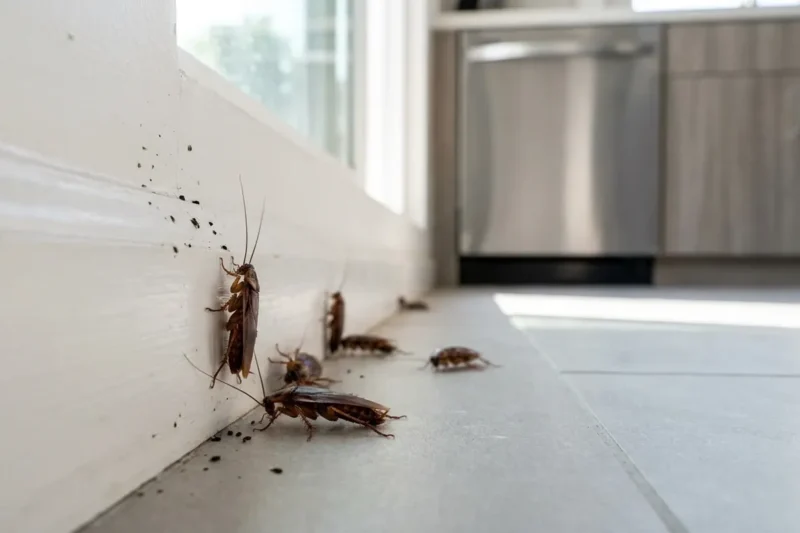
Species identification, inspection of kitchens, plumbing and voids, and targeted treatment with sanitation and sealing.
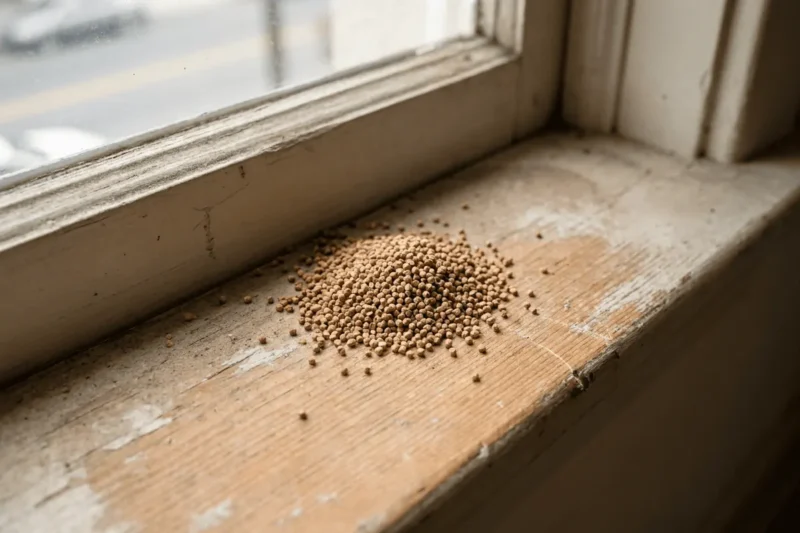
Inspection-led termite treatment for drywood and subterranean termites, from localized work to whole-structure options.
We accept requests from the City of Los Angeles and nearby Los Angeles County cities. Availability is confirmed for each address.
Give us a call — we'll arrange an inspection and explain your options before any treatment.