Wasp & Yellowjacket Control
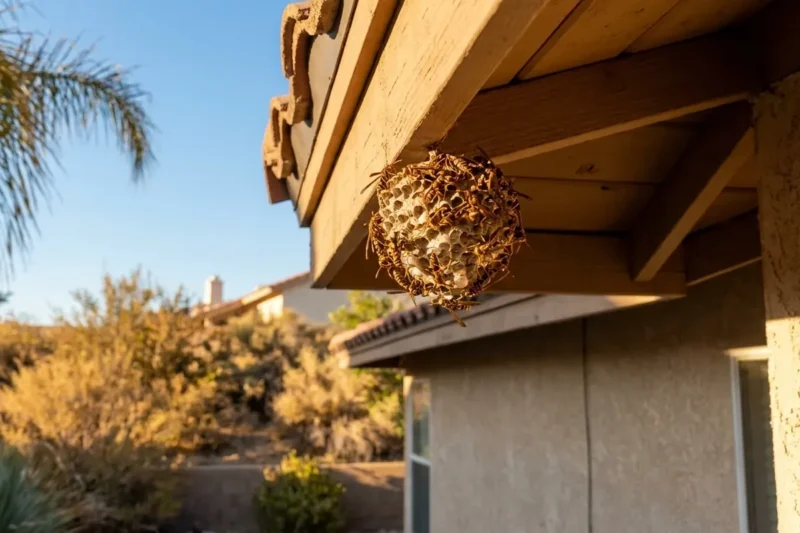
Assessment and removal of paper wasp and yellowjacket nests — and guidance when it turns out to be honey bees.
Mosquitoes in Los Angeles yards usually come from small amounts of standing water close to home — saucers, drains, buckets, bromeliads, clogged gutters. Private mosquito service focuses on your property: finding and reducing breeding sites and, where appropriate, treating resting areas. Public vector control districts handle the wider community.
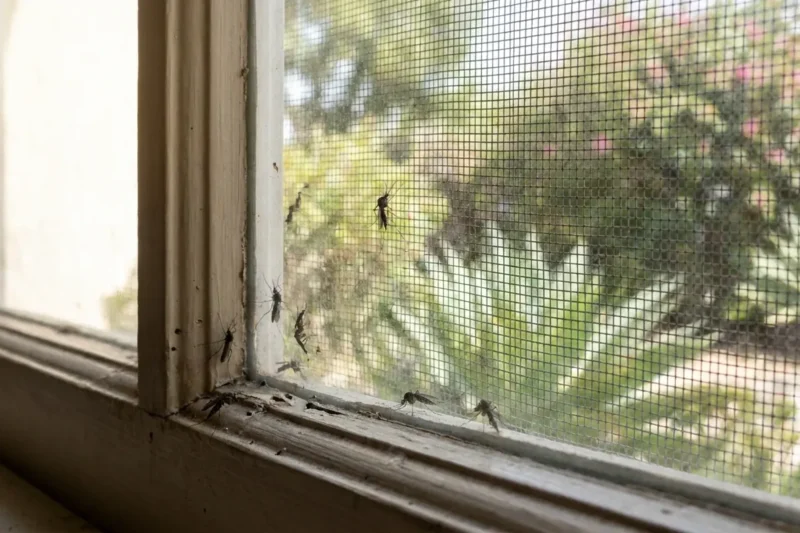
Invasive Aedes mosquitoes have spread across much of Los Angeles County. They’re small, black and white, bite during the day, and lay eggs in tiny amounts of water — a bottle cap’s worth can be enough. Irrigated gardens, potted plants and backyard clutter give them plenty of places to breed, even in dry years.
Other mosquitoes breed in larger standing water such as neglected pools, ponds, fountains and drainage features.
Ask your provider which products they use, how they protect pollinators, ponds and fish, and what you need to do before and after treatment.
Los Angeles County is served by several public vector control agencies. They monitor mosquito populations and mosquito-borne disease, inspect public sources and respond to resident reports — for example, a neglected swimming pool next door. These are public-health services, separate from private pest control. Each agency covers a defined area, so check which one serves your address:
If you have health concerns about mosquito bites, contact your healthcare provider or the Los Angeles County Department of Public Health.
No. Private mosquito service covers the property you hire it for. Community-wide surveillance and control are handled by public vector control districts.
Invasive Aedes mosquitoes, now common in Los Angeles County, bite during the day and breed in small containers. Reducing standing water around your own yard is the most effective first step.
Report it to the public vector control district that serves your address. They can inspect and take action on neglected pools.
It depends on the product and how it's applied. Ask your provider how they avoid flowering plants, ponds and water features, and follow the instructions you're given.
Assessment and removal of paper wasp and yellowjacket nests — and guidance when it turns out to be honey bees.
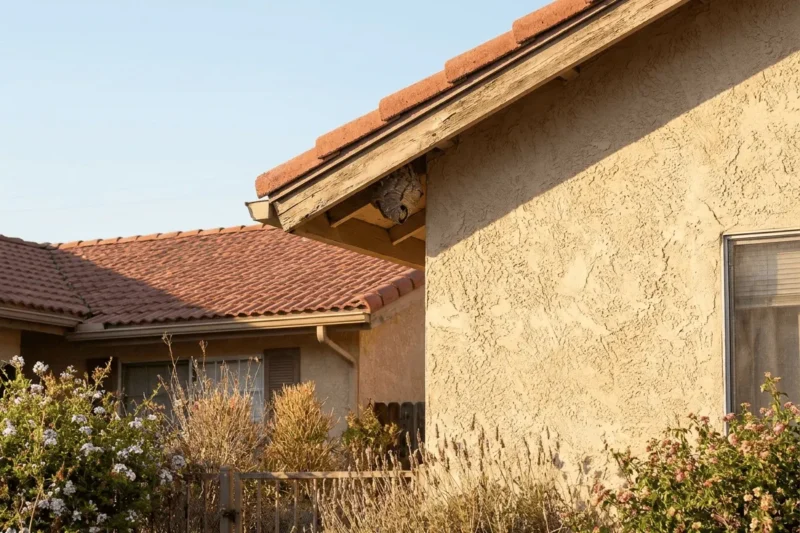
Monthly, every-other-month or quarterly visits that keep ants, spiders, roaches and other everyday pests from coming back.
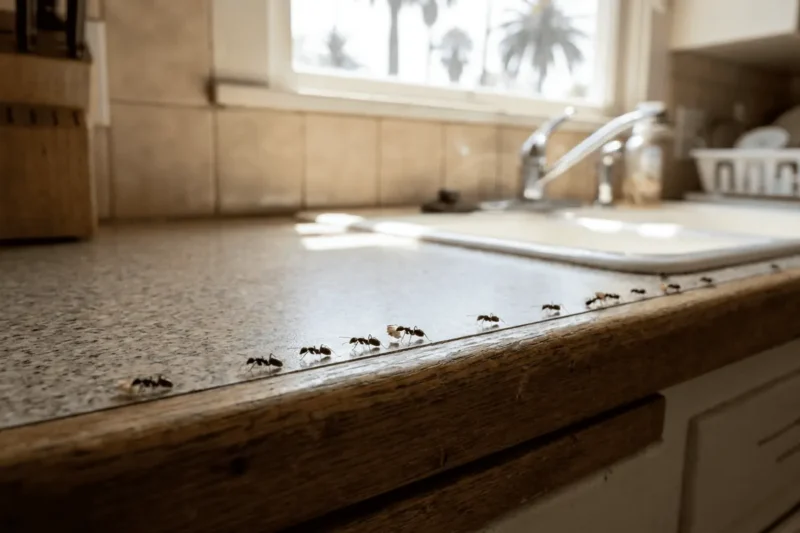
Identify the ant, find where the trail starts, and treat the colony — not just the ants you can see.
We accept requests from the City of Los Angeles and nearby Los Angeles County cities. Availability is confirmed for each address.
Give us a call — we'll arrange an inspection and explain your options before any treatment.