
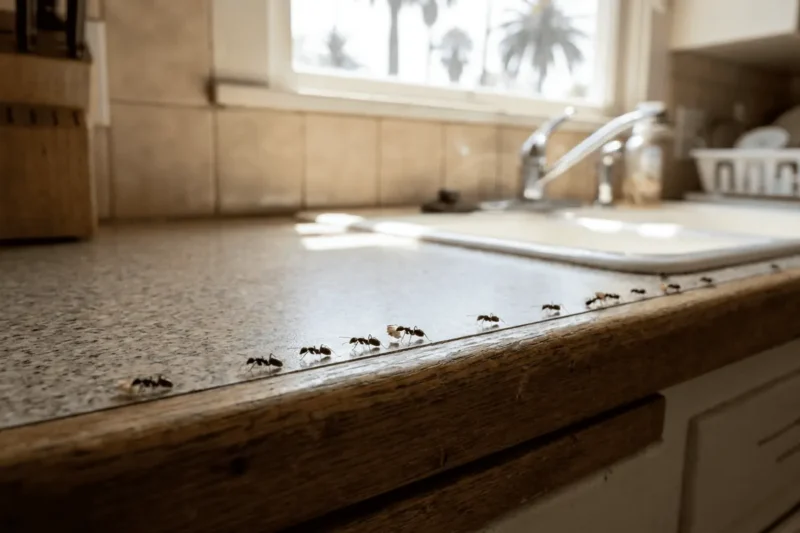
Ant Control
Identify the ant, find where the trail starts, and treat the colony — not just the ants you can see.
In Los Angeles many pests never really go dormant, so a single treatment often isn’t the end of it. Recurring service keeps a protective routine around your home — regular exterior treatment, a check of the usual entry points, and help between visits if pests come back.
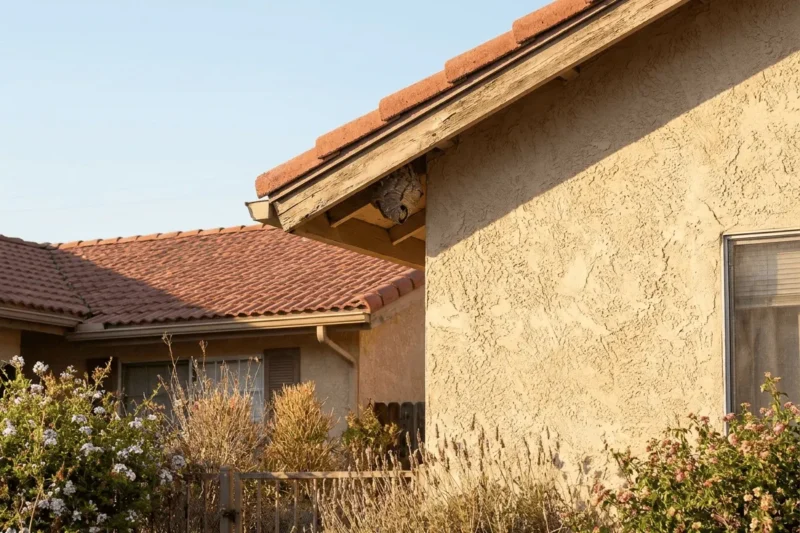
Recurring service is built for the everyday pests that keep finding their way back:
Some problems need their own plan and aren’t part of a routine schedule: termites, bed bugs and active wasp or yellowjacket nests.
| Schedule | Usually suits |
|---|---|
| Monthly | Heavy, ongoing pressure — properties backing onto canyons or brush, dense landscaping, older multi-unit buildings. |
| Every other month | Homes with regular seasonal problems, such as summer ant invasions plus spiders around eaves. |
| Quarterly | Most single-family homes that want prevention: a visit each season to keep entry points and the perimeter under control. |
A provider can recommend a schedule after the first inspection. Many plans start with a more thorough initial visit, then settle into the regular routine.
Written notice and labels. Before applying pesticides, a registered company must give you written notice of the products. Preparation and re-entry instructions depend on the product label — ask about children, pets and anyone with health sensitivities.
If the problem is specific and short-lived — an ant invasion after a heat wave, a few roaches that came in from the garage — a single targeted visit plus a few fixes around the house is often all you need. Recurring service makes sense when the same pests return season after season, or when the property itself keeps attracting them.
Either can work. If problems are occasional, a one-time visit may be enough. If you see the same pests every season, or the property keeps attracting them, a recurring schedule is usually more practical.
Most routine visits focus on the exterior and entry points, with interior treatment where pests are active. Ask whether interior service is included or on request.
It depends on the specific product, how it's applied and the label directions. Read the written notice you receive and follow the preparation and re-entry instructions. Mention children, pets and health concerns when you call.
Usually, yes — schedules can be adjusted as conditions change. Confirm the terms with the provider before you sign up.
Identify the ant, find where the trail starts, and treat the colony — not just the ants you can see.
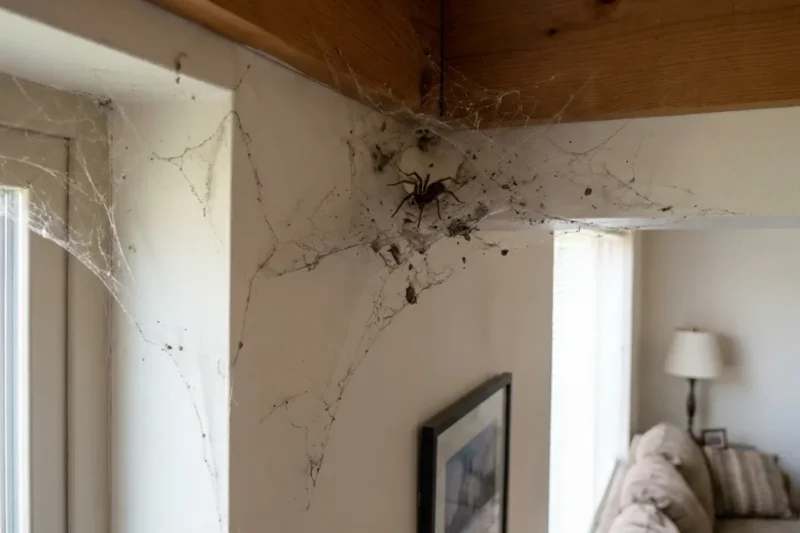
Web removal, treatment of harborage areas and fewer insects for spiders to feed on — usually part of recurring pest service.
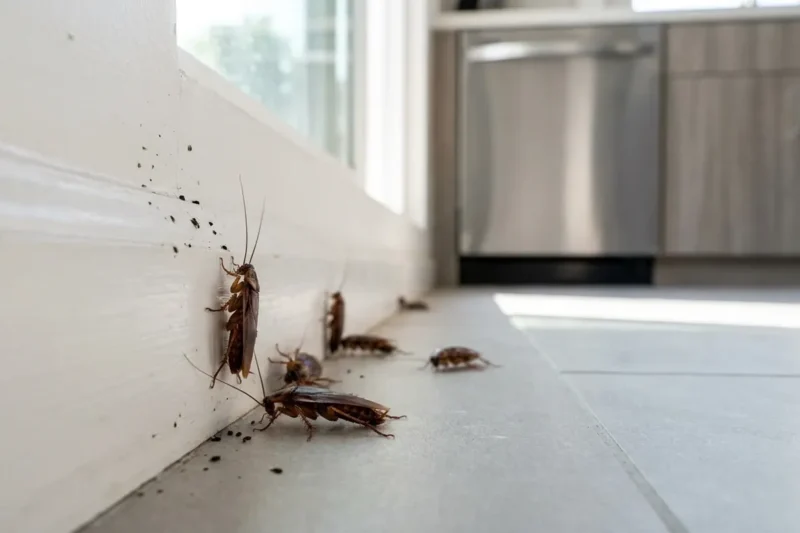
Species identification, inspection of kitchens, plumbing and voids, and targeted treatment with sanitation and sealing.
We accept requests from the City of Los Angeles and nearby Los Angeles County cities. Availability is confirmed for each address.
Give us a call — we'll arrange an inspection and explain your options before any treatment.