
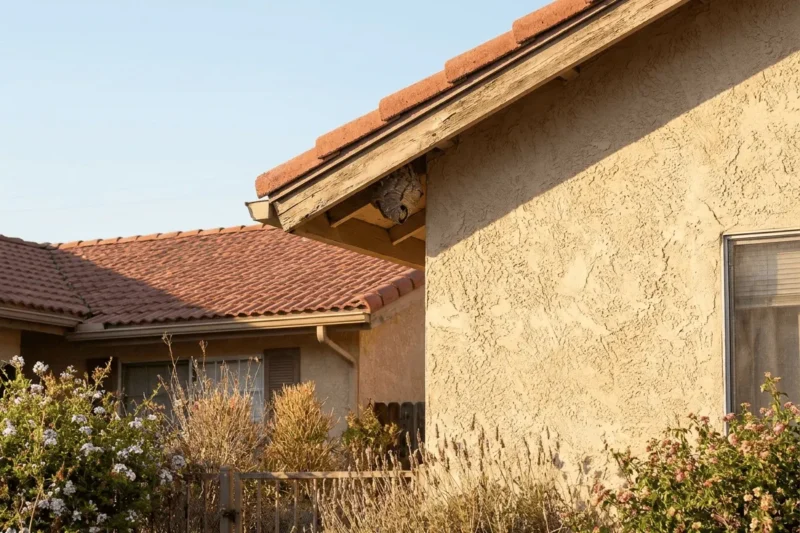
Recurring Pest Control
Monthly, every-other-month or quarterly visits that keep ants, spiders, roaches and other everyday pests from coming back.
Bed bugs are stressful, but they are a manageable problem when they’re confirmed early and treated methodically. The process has three parts: confirming that bed bugs are actually present, treating every area where they’re hiding, and following up to make sure activity has stopped.
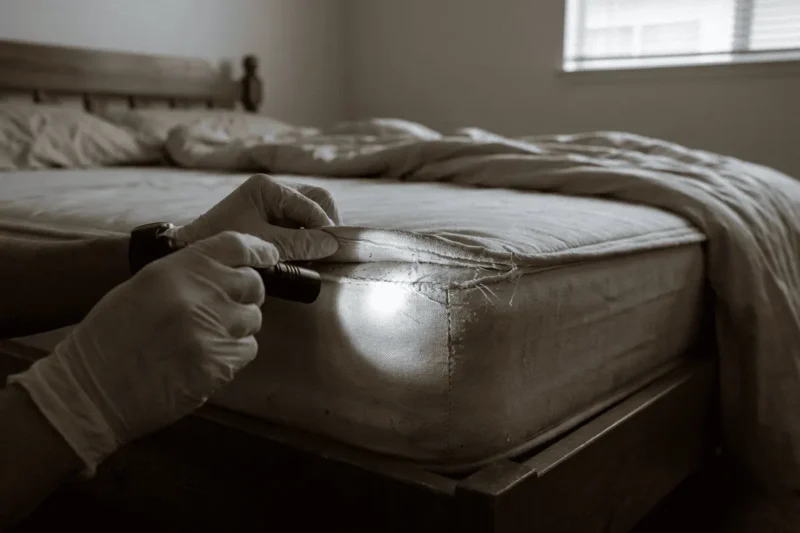
Itchy welts can come from many things — mosquitoes, fleas, mites, allergies, even laundry detergent. People react to bed bug bites very differently, and some don’t react at all. That’s why the first step is finding evidence of the insects themselves.
Signs an inspector looks for:
If you catch an insect, keep it in a sealed bag or container — it helps with identification.
Bed bugs stay close to where people sleep or sit, tucking into narrow spaces during the day:
Preparation makes treatment far more effective, but it should follow your provider’s specific instructions — what’s required for one method can be unnecessary or even counterproductive for another. Typical requests include:
Please don’t throw out furniture before the inspection, and avoid using foggers (“bug bombs”). They don’t reach bed bugs in cracks and can scatter them into other rooms or neighboring units.
Providers combine methods depending on the extent of the infestation, the furniture and the building. Common elements include:
Ask your provider which methods they use, why they chose them for your situation, and how many visits the plan includes. Bed bug eggs can survive a single visit, so most plans include at least one follow-up.
Bed bugs can travel between units through shared walls, plumbing chases, hallways and on belongings. In Los Angeles’s many duplexes, courtyard buildings and larger apartment complexes, effective treatment often means:
Tenants should notify their landlord or property manager promptly. Responsibilities for arranging and paying for treatment depend on the lease and applicable law; if you’re unsure, check with your local housing department or a tenant resource.
No. Bite reactions vary widely and look similar to other insect bites or skin conditions. A photo of an insect can help, but an inspection is the reliable way to confirm bed bugs.
Sometimes a single thorough treatment works, but eggs and hidden bugs can survive, so most plans include follow-up visits. Be wary of anyone who promises guaranteed one-visit results without seeing the property.
It depends on the method and products. Your provider will tell you whether you need to leave, for how long, and what to do with pets, plants and food.
Often yes. Adjacent units are the most common source of reinfestation. Talk with your property manager about coordinating inspections.
Usually not. Mattresses can often be treated and encased. Discarding infested furniture can spread bed bugs to others unless it's bagged and marked properly. Ask your provider first.
Monthly, every-other-month or quarterly visits that keep ants, spiders, roaches and other everyday pests from coming back.
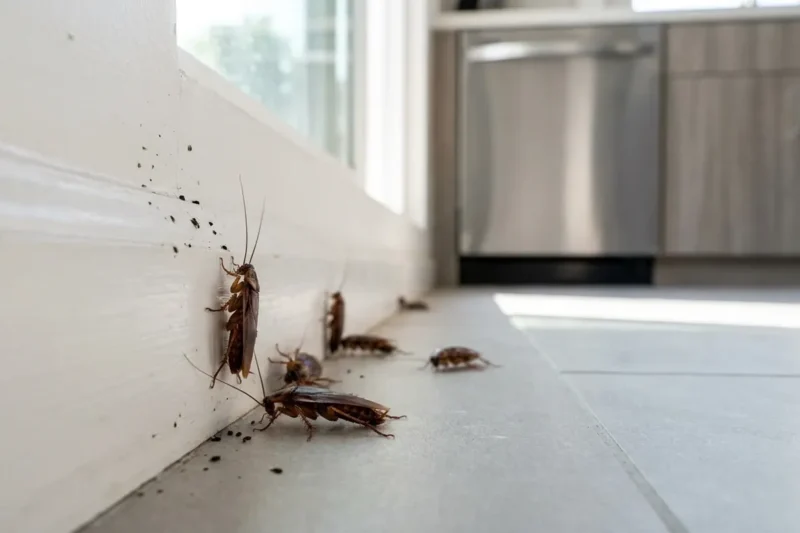
Species identification, inspection of kitchens, plumbing and voids, and targeted treatment with sanitation and sealing.
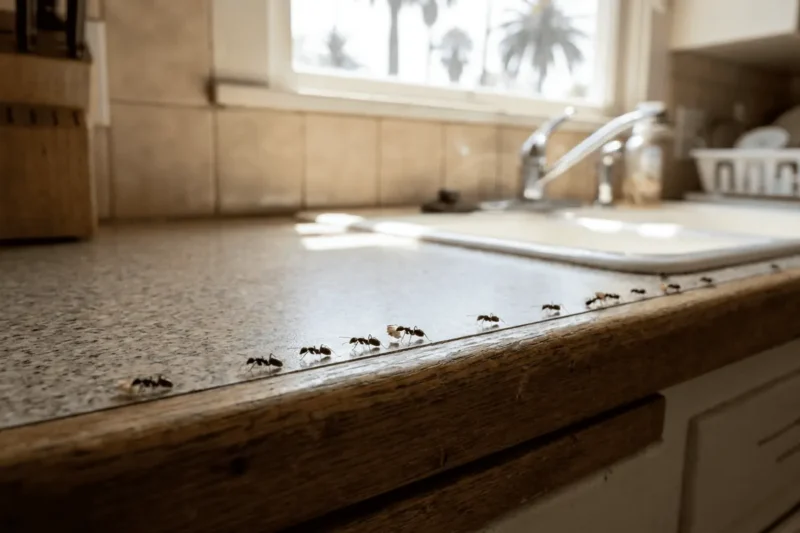
Identify the ant, find where the trail starts, and treat the colony — not just the ants you can see.
We accept requests from the City of Los Angeles and nearby Los Angeles County cities. Availability is confirmed for each address.
Give us a call — we'll arrange an inspection and explain your options before any treatment.